
The relationship between wildlife and roadways, like the enigmatic stretches of Rabbit Road, shows both the beauty and the dangers inherent in high-traffic areas. As more roads intersect natural habitats, it’s essential to understand these dynamics to mitigate risks for all creatures involved. This guide explores the various facets surrounding Rabbit Road, a name synonymous with both charming wildlife and regrettable road hazards.
The Significance of Rabbit Road
Rabbit Road is a term that evokes images of serene countryside lanes where wildlife and human activity coexist. However, the blissful imagery also includes the harsh reality of dangers that wildlife faces daily. With human development growing, roads have become barriers to wildlife, impacting not just rabbits but various species.
These roads often traverse natural habitats, creating a hazardous divide for creatures that historically moved freely. Rabbit Road symbolizes the roads that cut through rabbit territories and beyond. Thus, understanding its significance helps us address the broader environmental challenges posed by roadway constructions.
Moreover, Rabbit Road serves as a vital transport line, assisting local economies by providing access to remote areas. Balancing this necessity with the environmental cost is essential.
Wildlife On The Move: Common Road Risks
While Rabbit Road might market scenic drives, wildlife, including the gentle rabbit, frequently face their most significant threats here. Roadkill is a common issue when natural migration paths intersect with roads. An unsettling image of a road-kill rabbit (see here) starkly depicts the plight of these creatures.
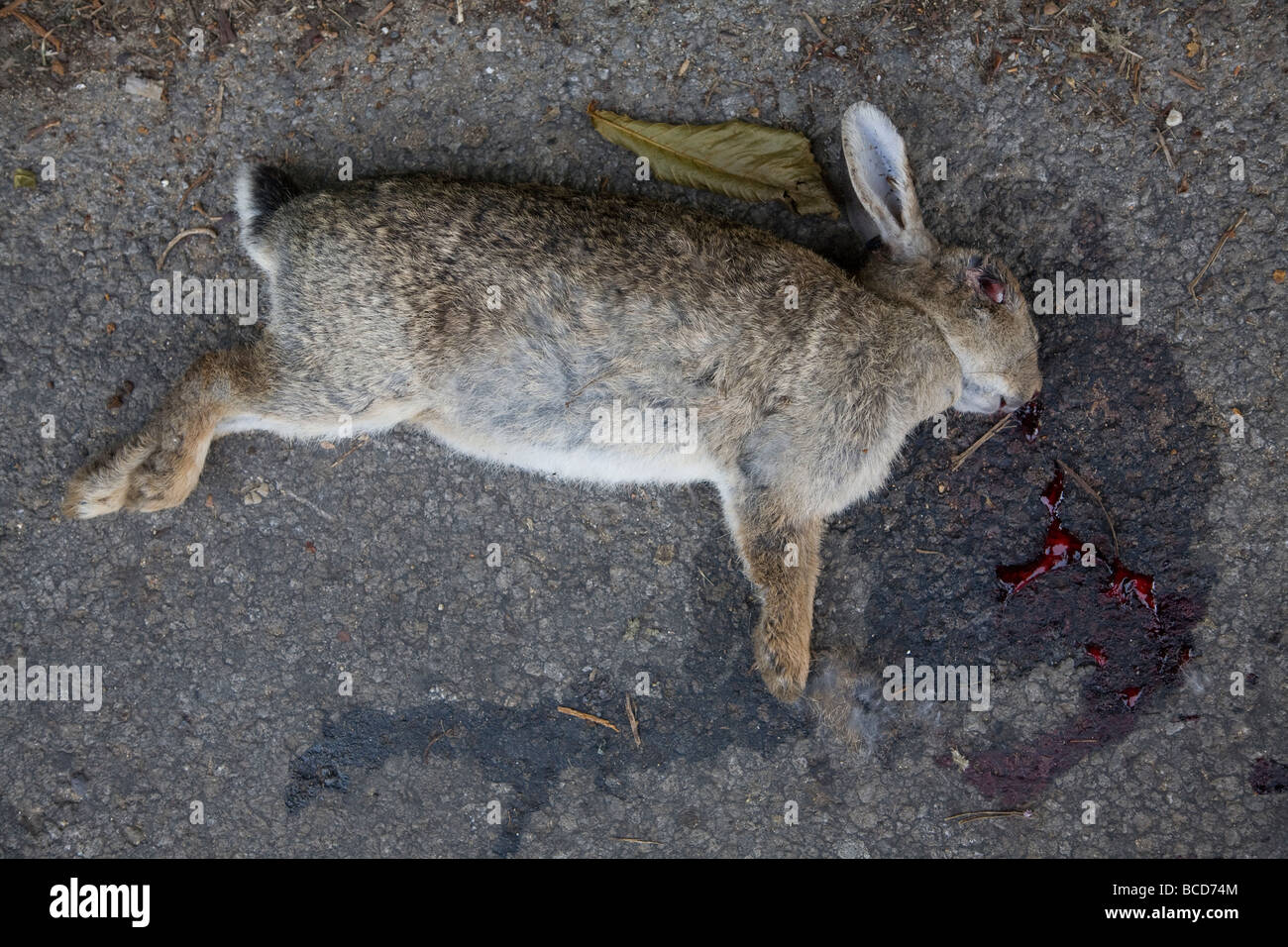
Wildlife crossing roads are often victims of speeding vehicles, resulting in devastating population impacts. This incidence highlights the crucial need for wildlife crossings and better road planning to prevent such tragic losses.
Educating drivers about the likelihood of encountering wildlife on Rabbit Road can decrease accidents. Road signs, speed limits, and public awareness campaigns play important roles in mitigating road hazards.
A Holistic Approach to Wildlife Management
Managing wildlife effectively on Rabbit Road demands a multi-faceted approach. Traditional methods such as road signs and speed bumps have been beneficial, but innovative solutions like wildlife crossings and animal detection systems are now part of modern infrastructural changes.
Wildlife crossings are specifically engineered structures that allow animals to traverse roads safely. By implementing these crossings at key points along Rabbit Road, traffic-related wildlife mortality can be significantly reduced.
Additionally, technology-driven solutions like wildlife detection and alert systems can further protect fauna by notifying drivers about nearby animals. These combined efforts can create safer environments for both wildlife and human motorists.
Community Involvement Is Key
Community involvement is, perhaps, one of the most crucial elements in maintaining the ecological balance on Rabbit Road. When local communities are engaged, informed, and given a voice in the management processes, outcomes are more favorable for both human and wildlife residents.
Community-driven initiatives may include adoption of local monitoring projects where residents contribute to tracking wildlife movements. Participatory education programs that address issues like roadkill prevention can also foster a culture of coexistence.
These local efforts are complemented by legislative support for wildlife protection, paving the way for sustainable development practices on roads like Rabbit Road.
Harnessing Technology for Road Safety
The integration of technology offers promising advances for ensuring safety on Rabbit Road. From simple road sensors to complex wildlife detection systems, technology helps bridge the gap between safety and road infrastructure.
For instance, advanced systems use AI to analyze traffic patterns and predict wildlife movements. These systems can provide real-time alerts to drivers, minimizing the chances of collision significantly.
Moreover, developments in GPS and mobile applications offer new ways for drivers to receive warnings about animal crossings, further enhancing the safeness of these journeys.
FAQ Section
- What animals are most commonly affected on Rabbit Road?
Numerous species, including rabbits, deer, and small mammals, are frequently affected due to their natural habitats intersecting with roads.
- How can drivers prevent wildlife collisions on Rabbit Road?
Drivers should adhere to speed limits, stay alert for wildlife signs, especially in high-risk areas, and reduce speeds during dawn and dusk when wildlife is most active.
- What initiatives exist to protect wildlife on roads?
Initiatives such as wildlife crossings and driver alert systems help prevent collisions and protect wildlife.
- How is technology helping improve road safety for wildlife?
Technology helps by providing real-time alerts through systems that detect animal presence near roadways, reducing collision risks.
- Can communities play a role in wildlife protection on roads?
Yes, community involvement in monitoring, education, and advocacy significantly contributes to better wildlife management on roads.
| Feature | Benefit | Meaning |
|---|---|---|
| Wildlife Crossings | Reduces Roadkill | Ensures safer transit for animals |
| AI Detection Systems | Real-Time Alerts | Increases driver response time |
| Community Programs | Engaged Citizens | Strengthens conservation efforts |
Conclusion: A Sustainable Path Forward
As seen, Rabbit Road stands as a microcosm of the larger issue: reconciling modern life’s needs with wildlife conservation. This requires an ongoing commitment to adaptive strategies featuring technology, community participation, and thoughtful road planning.
By considering comprehensive solutions that integrate ecology and road safety, humanity and wildlife can coexist more harmoniously along roads like Rabbit Road, ensuring these routes remain safe and scenic for all travelers. Learn more about initiatives to protect roads and wildlife at Rabbit road.
Embracing these changes promises not only safer roads but also healthier ecosystems, where societies flourish in harmony with nature.
.